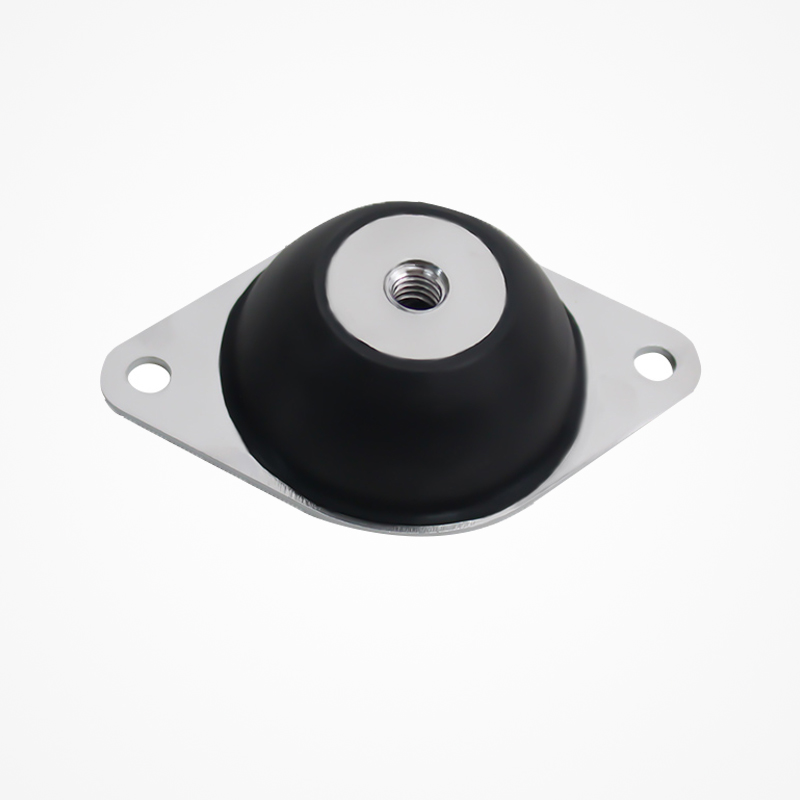
When a die-cutting machine is installed directly on a floor slab, the vertical reciprocating motion of its working components—combined with impact forces during operation—generates significant dynamic loads. These vibrations are transmitted through the floor structure, making them perceptible in adjacent areas or on lower floors. To prevent vibration propagation and structural-borne noise, vibration isolators should be installed beneath the die-cutting machine, effectively isolating equipment-induced vibrations from the floor slab.
How to Solve Vibration Problems of Die-Cutting Machines
Die-cutting machines generate strong dynamic loads due to the vertical reciprocating motion and impact forces of their working components. If these vibrations are not properly isolated, they will be transmitted to the supporting structure, especially floor slabs, causing noticeable vibration in surrounding areas or on lower floors. Selecting the appropriate vibration isolator is therefore critical.
Key Factors to Consider Before Selection
To determine the most effective vibration isolation solution, the following factors must be evaluated:
Installation Location
Is the die-cutting machine installed on a ground floor or on a suspended floor slab?
Operating Frequency
What is the operating speed of the machine (cycles per minute)?
Machine Base Configuration
What is the structure of the machine base or mounting feet?
Based on these parameters, typical operating conditions can be classified as follows:
Operating Condition 1
Installed on ground floor, operating frequency below 200 cycles/min
Solution A:
Use the ALJ-52 series rubber air spring vibration isolators.
These isolators feature a low natural frequency and are equipped with four integrated damping cylinders, providing excellent vibration isolation and impact absorption.
Solution B:
Use the ALJ-40 series rubber vibration isolators.
With a wide load range and high-elasticity rubber material, this series offers reliable performance and cost-effective vibration reduction for ground-installed machines.
Operating Condition 2
Installed on floor slab, operating frequency below 150 cycles/min
Recommended Solution:
Use the ALJ-52 series rubber air spring vibration isolators.
Their low natural frequency and enhanced damping performance make them particularly effective for isolating vibrations on floor slabs, significantly reducing vibration transmission to lower floors.
Operating Condition 3
Installed on floor slab, operating frequency above 200 cycles/min
Solution A (Recommended):
Use the ALJ-50 series die-cutting machine–specific rubber air spring vibration isolators.
This series features a thickened rubber layer, higher damping capacity, and superior stability, making it ideal for high-frequency and high-impact operating conditions.
Solution B (Alternative):
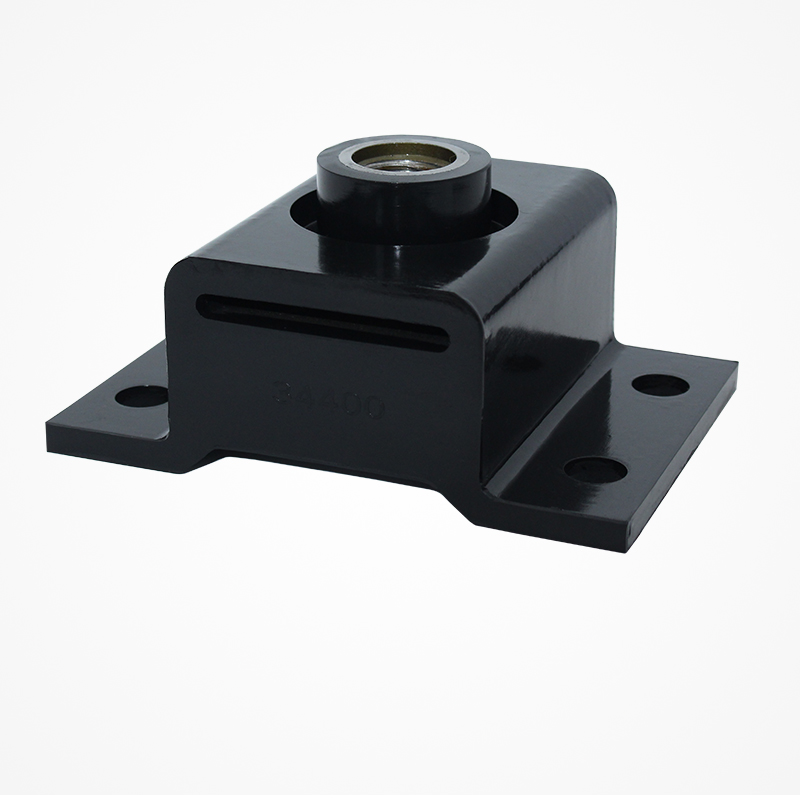
Use the ALJ-40B series rubber vibration isolators.
This option provides basic vibration reduction but is less effective than the ALJ-50 series. Additionally, the isolators must be securely bolted to both the machine and the foundation for proper performance.
Professional Selection Support
Actual operating conditions may vary depending on machine weight, stroke, impact force, and site structure.
Please contact our professional selection team for a one-on-one evaluation and customized vibration control solution.